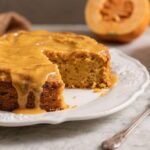
Shiny kitchen gadgets won’t impress your guests—but a spoonful of this velvet-smooth pumpkin custard will. It’s rich like pie filling, lighter than cheesecake, and faster than anything that pretends to be “gourmet” on weeknights. The texture is so silky you’ll question your life choices for not making it sooner.
This is the dessert that says “I’ve got standards” without making you sweat. If you can whisk and wait, you can make a custard that tastes like fall turned into luxury.
What Makes This Special
This custard gives you the best part of pumpkin pie—without the crust drama. It’s baked low and slow for a smooth, restaurant-level texture.
The spice profile is warm and balanced, not a cinnamon slap in the face. We use a clever mix of dairy for creaminess and egg yolks for structure, so it sets tender, not rubbery. And yes, it’s simple enough to pull off for a weeknight, yet elegant enough for a dinner party flex.
What You’ll Need (Ingredients)
- 1 cup pumpkin puree (not pumpkin pie filling)
- 1 cup heavy cream
- 1/2 cup whole milk (or sub all cream for extra richness)
- 1/2 cup granulated sugar (adjust to 1/3 cup if you like it less sweet)
- 4 large egg yolks
- 1 large whole egg
- 1 1/2 teaspoons pure vanilla extract
- 1 teaspoon ground cinnamon
- 1/2 teaspoon ground ginger
- 1/4 teaspoon ground nutmeg
- 1/8 teaspoon ground cloves (optional but fantastic)
- 1/4 teaspoon fine sea salt
- Optional topper: whipped cream, crushed gingersnaps, or a drizzle of maple syrup
- For the bain-marie: Hot water for the water bath
Cooking Instructions
- Preheat and prep. Heat your oven to 325°F (160°C).Set out 6–8 small ramekins (4–6 oz). Place them in a deep baking dish or roasting pan for the water bath.
- Warm the dairy. In a saucepan, combine heavy cream, milk, and half the sugar. Heat over medium until steaming and the sugar dissolves.Do not boil. Remove from heat.
- Whisk the base. In a large bowl, whisk egg yolks, whole egg, remaining sugar, vanilla, spices, and salt until smooth. Add pumpkin puree and whisk until fully blended.
- Temper like a pro. Slowly pour the warm dairy into the pumpkin-egg mixture, whisking constantly.This prevents scrambling—because omelets don’t belong in dessert.
- Strain for silkiness. Pour the custard through a fine-mesh sieve into a large measuring cup or bowl with a spout. This is your ticket to a smooth, luxe texture.
- Fill the ramekins. Divide custard evenly. Tap ramekins lightly to pop surface bubbles (or skim with a spoon if they’re stubborn).
- Water bath time. Pour hot water into the roasting pan until it reaches halfway up the sides of the ramekins.This gentle heat keeps the custard creamy, not curdled.
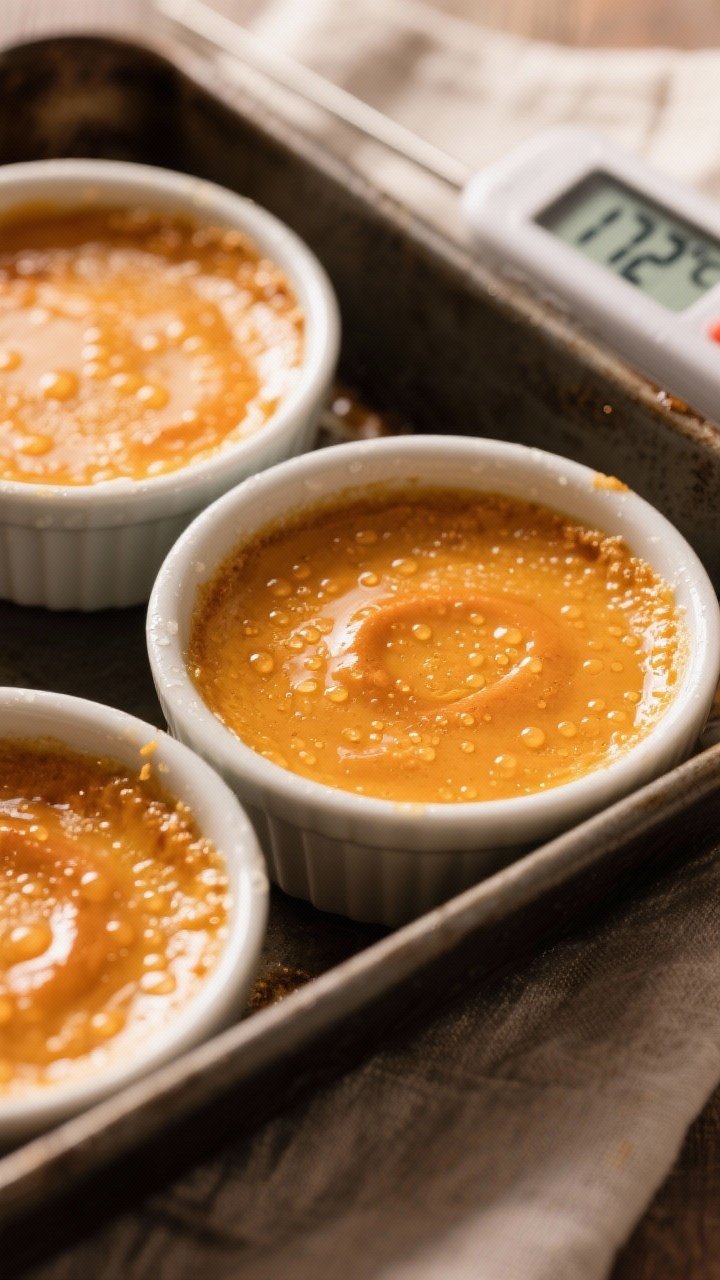
- Bake to just-set. Bake for 30–40 minutes until the edges are set and the centers still jiggle like Jell-O, not like soup. Start checking at 28 minutes. The internal temp should be ~170–175°F (77–80°C) if using a quick-read thermometer.
- Cool and chill. Remove ramekins from the water bath.Cool to room temp, then chill at least 2 hours (overnight is ideal) for the best texture.
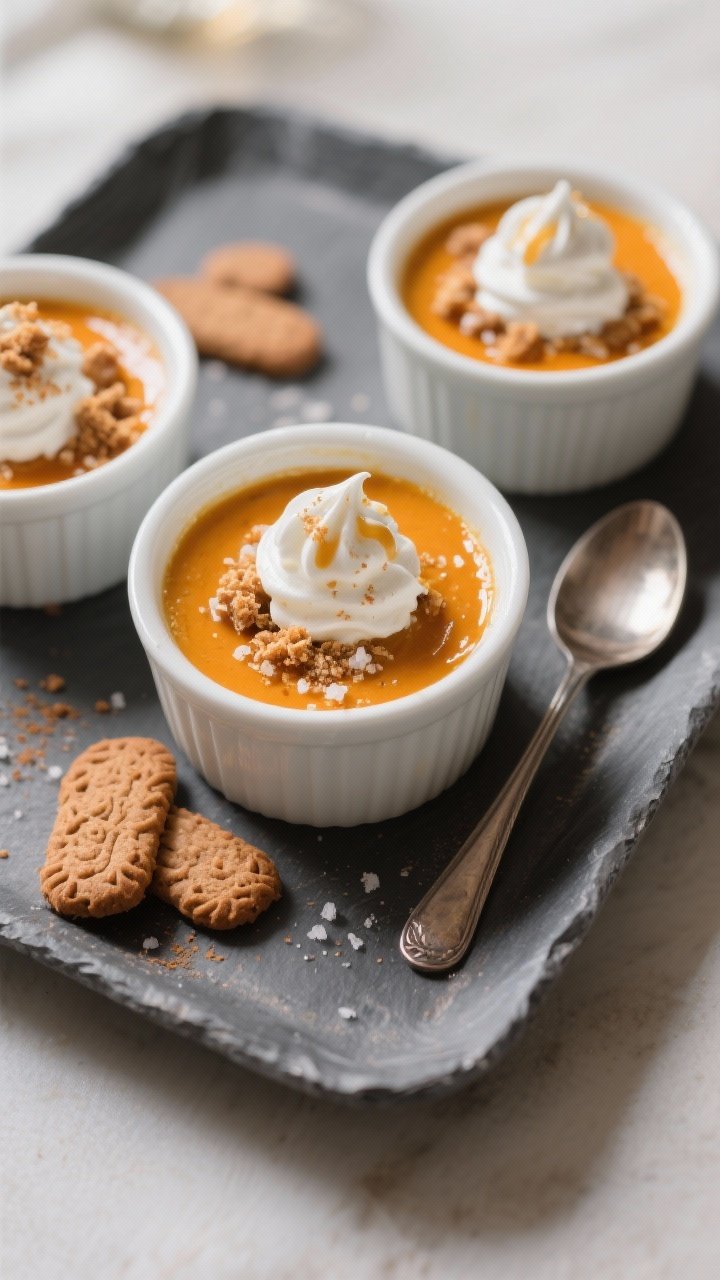
- Finish strong. Top with lightly sweetened whipped cream and a sprinkle of gingersnap crumbs or a maple drizzle. Serve cold or slightly cool.
How to Store
- Refrigerate: Cover each ramekin tightly and store for up to 4 days. The flavor deepens by day two—worth the wait.
- Do not freeze: Freezing breaks the custard and turns it grainy.Hard pass.
- Make ahead: Bake a day in advance and garnish just before serving to keep toppings crisp and pretty.
Nutritional Perks
Pumpkin brings beta-carotene to the party, which your body converts to vitamin A for vision and skin health—glow up included. Eggs add high-quality protein and choline, supporting brain function. The dairy contributes calcium and fat-soluble vitamins that help you absorb those fat-loving nutrients.
Is this dessert? Yes. Is it also a stealthy micronutrient win?
Also yes.
Pitfalls to Watch Out For
- Scrambled edges: If your oven runs hot or you skip the water bath, the custard can curdle at the edges. Keep it low and gentle.
- Overbaking: The center should still wobble. If it’s firm in the oven, it’ll be rubber when chilled.Nobody asked for pumpkin erasers.
- Grainy texture: Not straining the custard or overheating the dairy can cause grit. Strain and simmer—don’t boil.
- Watery top: Steam condensation on the surface is normal. Gently blot before topping if you want that flawless finish, IMO.
Alternatives
- Dairy-free: Use full-fat coconut milk in place of cream and milk.Expect a hint of coconut; it plays surprisingly well with pumpkin.
- Lower sugar: Reduce sugar to 1/3 cup. Sweetness will be more subtle, spices more forward.
- Maple version: Replace sugar with 1/3 cup pure maple syrup. Reduce the milk by 1–2 tablespoons to keep the texture balanced.
- Spice swap: Use 2 teaspoons pumpkin pie spice instead of individual spices for speed.Add a pinch of black pepper for a chef-y twist.
- Brûléed top: Sprinkle turbinado sugar on chilled custards and torch for a pumpkin crème brûlée vibe. Dramatic? Absolutely.
- Crust lovers: Pour custard into a par-baked gingersnap crust and bake slightly longer, 35–45 minutes, until just set.
FAQ
Can I use canned pumpkin pie filling instead of puree?
No.
Pumpkin pie filling is pre-sweetened and spiced, which will throw off the balance and texture. Use pure pumpkin puree for predictable, delicious results.
Do I really need a water bath?
Short answer: yes. The bain-marie stabilizes temperature so the custard sets gently and stays silky.
Skipping it risks rubbery edges and a sad, split texture.
How do I know when it’s done?
The edges should look set while the center still jiggles like soft jelly. A thermometer reading around 170–175°F is your safety net. It will firm up more as it cools.
Can I make it without heavy cream?
You can sub all milk, but the texture will be lighter and less velvety.
For a compromise, use evaporated milk—it’s stable and richer than regular milk.
What if I don’t have ramekins?
Use a 9-inch pie dish or an 8×8-inch baking dish. Bake in a water bath and add 10–15 minutes to the time. Look for the same jiggle test at the center.
Can I serve it warm?
You can, but it’s at its best fully chilled or slightly cool.
Warm custard can taste looser and less refined. Give it at least two hours in the fridge—patience pays.
How can I make it look restaurant-worthy?
Top with a quenelle of whipped cream, a dusting of cinnamon, and a few crushed gingersnaps. A tiny pinch of flaky salt on top?
Chef’s kiss, FYI.
Final Thoughts
This Creamy Pumpkin Custard Recipe is what happens when comfort food graduates with honors—familiar flavors, upgraded technique, minimal stress. It’s fast to assemble, forgiving to bake, and impressive in the bowl. Keep the ingredients stocked and you’ve got a reliable, show-off dessert all season long.
One spoonful and you’ll understand why “simple” and “sensational” can actually be the same thing.
Printable Recipe Card
Want just the essential recipe details without scrolling through the article? Get our printable recipe card with just the ingredients and instructions.