So you want to channel your inner Martha Stewart and make cookies that look like they belong in a magazine spread? Good news: her sugar cookie recipe is actually pretty straightforward, and you don’t need to own a craft room or know how to fold fitted sheets to pull it off. These cookies are buttery, crisp-edged, tender-centered perfection that hold their shape like champions. Perfect for decorating, gifting, or just eating straight off the cooling rack while pretending you have your life together. Let’s do this.
Why This Recipe is Awesome
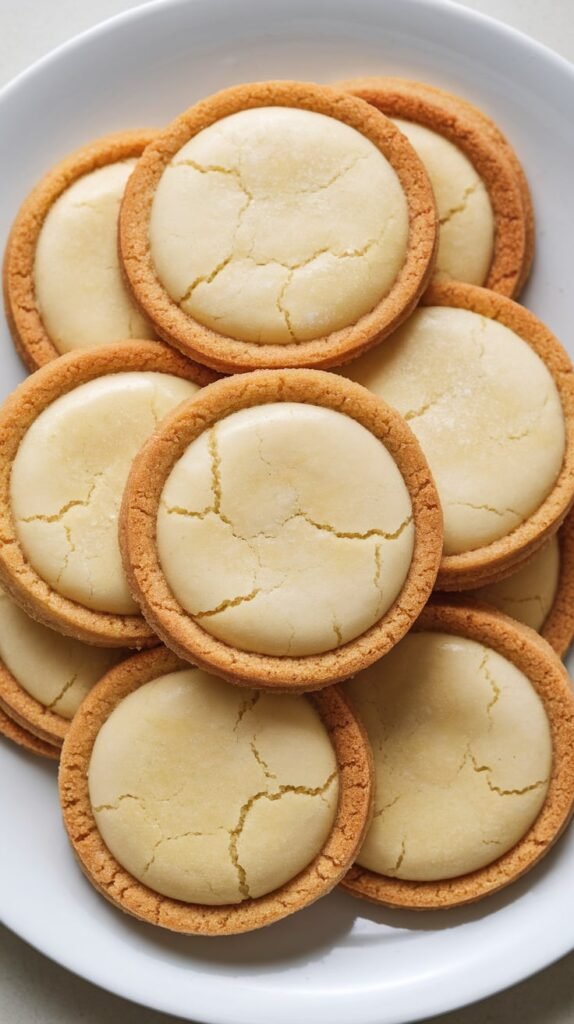
Martha’s sugar cookie recipe is legendary for a reason—these cookies are the gold standard. They’re sturdy enough to decorate without crumbling, flavorful enough to eat plain, and they actually look like the shape you cut them into (which is more than I can say for most cookie recipes). No weird spreading, no puffing up into unrecognizable blobs. Just clean edges and consistent results.
The texture is chef’s kiss—slightly crisp on the outside, tender on the inside, with that perfect buttery flavor that makes you want to eat the whole batch. These cookies are ideal for decorating because they provide a smooth, flat surface that’s basically a blank canvas for your artistic genius (or your chaotic frosting attempts—both are valid). And here’s the kicker: the recipe is surprisingly simple. No weird ingredients, no complicated techniques. Just solid, reliable, Martha-approved baking that makes you look like you know what you’re doing.

Ingredients You’ll Need
Here’s what you need to make these magazine-worthy cookies:
For the cookies:
- 3 cups all-purpose flour, plus more for rolling
- ¾ teaspoon baking powder
- ¼ teaspoon salt
- 1 cup (2 sticks) unsalted butter, room temperature—soft but not melty
- 1 cup granulated sugar
- 1 large egg
- 1 teaspoon pure vanilla extract
- ½ teaspoon almond extract (optional but recommended for that bakery vibe)
For decorating (go wild or keep it simple):
- Royal icing for that professional look
- Colored sugars and sprinkles for sparkle
- Food coloring for custom colors
- Whatever your creative heart desires
Step-by-Step Instructions
1. Mix the dry ingredients. Whisk together the flour, baking powder, and salt in a bowl. Set this aside while you work on the fun part. I know, another bowl to wash, but it prevents lumpy dough.
2. Cream the butter and sugar. Use an electric mixer on medium-high speed to beat the butter and sugar for about 3 minutes until the mixture is pale and fluffy. This step is crucial—don’t rush it. The air you’re incorporating now is what makes these cookies tender.
3. Add the egg and extracts. Beat in the egg, vanilla, and almond extract (if using) until everything is smooth and well combined. The mixture should look creamy and unified at this point.
4. Add the dry ingredients gradually. With the mixer on low speed, slowly add the flour mixture until just combined. Stop mixing as soon as you don’t see dry flour anymore. Overmixing develops gluten, which makes tough cookies. Nobody wants that.
5. Divide and chill the dough. Split the dough in half, shape each half into a flat disk, and wrap them in plastic wrap. Refrigerate for at least 2 hours, or overnight if you’re planning ahead. This step is non-negotiable—warm dough is impossible to work with and will spread like gossip.
6. Preheat your oven to 325°F (160°C). Line your baking sheets with parchment paper or silicone mats. Getting this ready before you start rolling prevents the inevitable “where’s the parchment paper?!” panic.
7. Roll out the dough. Work with one disk at a time, keeping the other in the fridge. On a lightly floured surface, roll the dough to about ⅛ to ¼-inch thickness, depending on how you like your cookies. Thinner = crispier, thicker = more tender.
8. Cut out your shapes. Use cookie cutters to cut shapes, placing them about 1 inch apart on your prepared baking sheets. Re-roll the scraps once to get more cookies, but don’t over-handle the dough or it’ll get tough.
9. Bake for 12-15 minutes. The cookies should be set but not browned—maybe just the tiniest hint of golden on the edges. Martha’s cookies stay pale, so resist the urge to let them brown. That’s the secret to their delicate texture.
10. Cool on the pan briefly. Let them sit on the baking sheet for 2-3 minutes to firm up, then carefully transfer to a wire rack to cool completely. If you’re decorating with icing, make sure they’re 100% cool first.
11. Decorate and enjoy. Once cooled, go to town with your royal icing, sprinkles, or whatever decorating situation you’ve got planned. Or just eat them plain—they’re delicious either way.
Common Mistakes to Avoid
Let’s talk about what not to do:
Not chilling the dough long enough. Two hours minimum, people. I know it feels like forever, but warm dough spreads and loses its shape. Patience pays off here. If you’re in a rush, pop the rolled-out dough in the freezer for 15 minutes before cutting.
Overbaking them. These cookies should look barely done when you pull them out. They’ll continue baking on the hot pan for a minute or two. If they’re golden brown all over, you’ve gone too far.
Rolling the dough too thick. If you want crisp, clean-edged cookies, keep them on the thinner side—around ⅛-inch. Thicker cookies are delicious but won’t have those sharp, defined edges Martha’s known for.
Using too much flour when rolling. You need some flour to prevent sticking, but dumping half a bag on your counter will dry out the dough and make your cookies tough. Use just enough for the dough to release from the surface.
Not using parchment paper. Greased pans can cause uneven browning and sticking. Parchment paper or silicone mats are your friends here—invest in them if you haven’t already.
Alternatives & Substitutions
Want to switch things up? Here’s what works:
Butter: Salted butter is fine if that’s all you have—just omit the added salt in the recipe. Margarine? Technically possible, but the flavor won’t be nearly as good. Martha would probably judge you (kidding… mostly).
Almond extract: Not a fan? Skip it and just use vanilla. Want something different? Try lemon extract for a citrusy twist or peppermint extract for holiday vibes.
All-purpose flour: You can substitute up to ½ cup with almond flour for a slightly nuttier flavor and more tender texture. For gluten-free, use a 1:1 baking blend, but FYI, the texture might not be quite as perfect.
Sugar: Superfine sugar will give you an even more delicate, tender cookie if you’re feeling fancy. Brown sugar instead of white makes chewier cookies but they won’t be as crisp.
Decorating: Royal icing is traditional, but a simple powdered sugar glaze works too. Or skip frosting entirely and just dust them with powdered sugar for an elegant look.
FAQ (Frequently Asked Questions)
Can I freeze the dough?
Absolutely! Wrap the disks tightly in plastic wrap and freeze for up to 3 months. Thaw in the fridge overnight before rolling. You can also freeze cut-out shapes on a baking sheet, then transfer to a freezer bag and bake from frozen—just add 1-2 minutes to the baking time.
How do I get perfectly smooth edges on my cookies?
Make sure your dough is cold, use sharp cookie cutters, and don’t twist when cutting—press straight down and lift straight up. If edges are rough, gently smooth them with your finger before baking.
Why are my cookies spreading?
Your dough wasn’t cold enough, or your oven temperature is off. Make sure to chill the dough thoroughly, and consider getting an oven thermometer if this keeps happening. Also, check that your baking powder is fresh.
How long do these cookies stay fresh?
Undecorated cookies last up to 2 weeks in an airtight container at room temperature. Decorated cookies (with royal icing) last about a week. They actually get better after a day or two as the flavors develop.
Can I make these without a mixer?
You can, but your arm will get a serious workout. Cream the butter and sugar with a wooden spoon for about 5-7 minutes until fluffy (prepare for an upper body burn), then mix in everything else by hand. Totally doable, just more effort.
What’s the best way to decorate these?
Royal icing is the gold standard for detailed decorating because it dries hard and smooth. For simpler decorating, a powdered sugar glaze works great. Or just use colored sugars and sprinkles before baking for easy sparkle.
Can I double this recipe?
Yes! Just make sure you have enough fridge space to chill all the dough, and enough counter space to work. You might need to bake in multiple batches unless you have a ton of baking sheets.
Final Thoughts
And there you have it—Martha Stewart’s legendary sugar cookie recipe that’s surprisingly accessible for us mere mortals. Whether you’re making these for holidays, special occasions, or just because you deserve homemade cookies (which you do), this recipe delivers every single time.
The beauty of these cookies? They’re reliable, versatile, and always impressive. You can go full Martha with elaborate royal icing designs, or keep it simple with a dusting of colored sugar. Either way, they’re going to taste amazing and look like you actually knew what you were doing in the kitchen. Now grab your rolling pin, find your favorite cookie cutters, and channel that domestic goddess energy. You’ve got this—Martha would be proud!
Printable Recipe Card
Want just the essential recipe details without scrolling through the article? Get our printable recipe card with just the ingredients and instructions.